Arenal Volcano Wildlife: What You Will Actually See
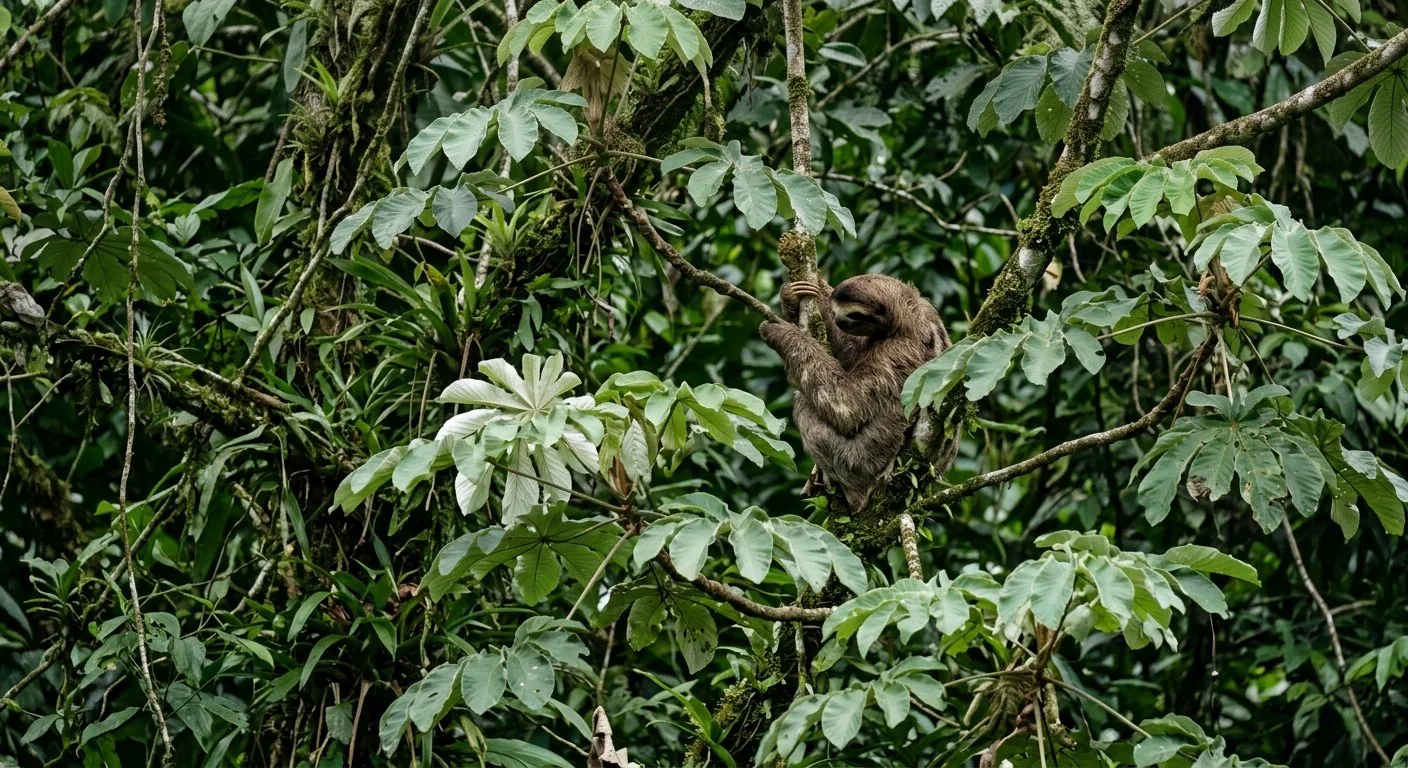
Daytime lava-field hike: realistic expectations
If you book the park entry ticket or a guide-led daytime hike, expect to hear wildlife more than see it. Howler monkeys are loud and territorial; you will definitely hear their roaring at dawn or dusk. They are harder to spot in the canopy, but a guide will point them out. Birds are abundant—macaws, parrots, toucans, and smaller species—but they flee from human noise and movement. You may see one cross a clearing or hear its call. Coatis (small, ringed-tail mammals) occasionally cross the trail. Sloths hang in the canopy but are cryptic and slow; you might see one if your guide spots it first. Larger mammals like peccaries, armadillos, and iguanas are possible but uncommon on a busy daytime trail.
Why night walks deliver more wildlife
The Night Walk at Arenal Volcano (id 462346) runs in darkness with spotlights. Nocturnal animals—frogs, tarantulas, scorpions, bats, and kinkajous—are active and visible at night. You will see eyes in the darkness; a guide will identify the animal. Sightings are not guaranteed, but the odds are dramatically higher than a daytime hike. Ratings: 4.8 from 409 reviews. Price: $60. Duration: 2–3 hours. Book it if wildlife is your priority.
Twilight safari: the best compromise
The Guided Twilight Wildlife Safari (id 234217) runs in the hours between sunset and full dark. This is peak activity time: animals are transitioning from daytime to nocturnal, and visibility is still good. You will see (and photograph) more wildlife than a midday hike, and more than a full night walk if you care about photo quality. Ratings: 4.7 from 330 reviews. Price: $85. Duration: 3–4 hours.
Species by trail and time
Daytime lava-field walk: Howler monkeys (audible), macaws (possible), toucans (calls), coatis (rare), sloths (rare).
Night walk: Frogs (abundant), spiders and tarantulas, kinkajous, bats, snakes (usually non-venomous), occasional larger mammals.
Twilight safari: Birds (macaws, toucans, parrots), coatis, howler monkeys, sloths, reptiles, and small mammals.
Rarity rankings
Most common: insects, frogs, small birds. Common: howler monkeys, macaws, coatis, sloths. Uncommon: iguanas, armadillos, peccaries. Rare: big cats (jaguars, pumas), tapirs. You will not see jaguars on a tour; tourists visit for weeks and never see one.
If wildlife is your main interest, skip the daytime lava-field hike and book the night walk or twilight safari instead. The return on your time is vastly better. Daytime hikes are best for the volcano geology and cone views.
Guides and sightings
A good guide makes an enormous difference. Local guides know where animals congregate, when they are active, and how to move quietly. Private tours allow a guide to spend time watching for wildlife; group tours move at a fixed pace. If you book a group night walk, you will still see a lot; if you can afford a private guide, you will see even more.
Wildlife is the one thing at Arenal that does not depend on the cloud. If the cone is hidden — and it usually is by mid-morning — the forest is still working. The wet months are in some ways the better ones for it.
Frequently asked questions
What animals will you see on an Arenal volcano hike?
Howler monkeys (heard more than seen), birds (macaws, toucans), and occasionally coatis or sloths. Larger mammals are uncommon on a daytime trail. For serious wildlife, book a night walk or twilight safari instead.
Which tour is best for wildlife?
The night walk (4.8 rating, $60) or twilight safari (4.7 rating, $85) deliver far more sightings than a daytime hike. Night walks show nocturnal animals; twilight safaris offer the best compromise of visibility and activity.
Will you see jaguars or big cats?
Extremely unlikely. Jaguars and pumas are rare, elusive, and active at night far from trails. Tourists visit for weeks and never see them. Night walks and safaris focus on sighting-odds for smaller mammals and reptiles.