Arenal Volcano day trip: what a full day actually looks like
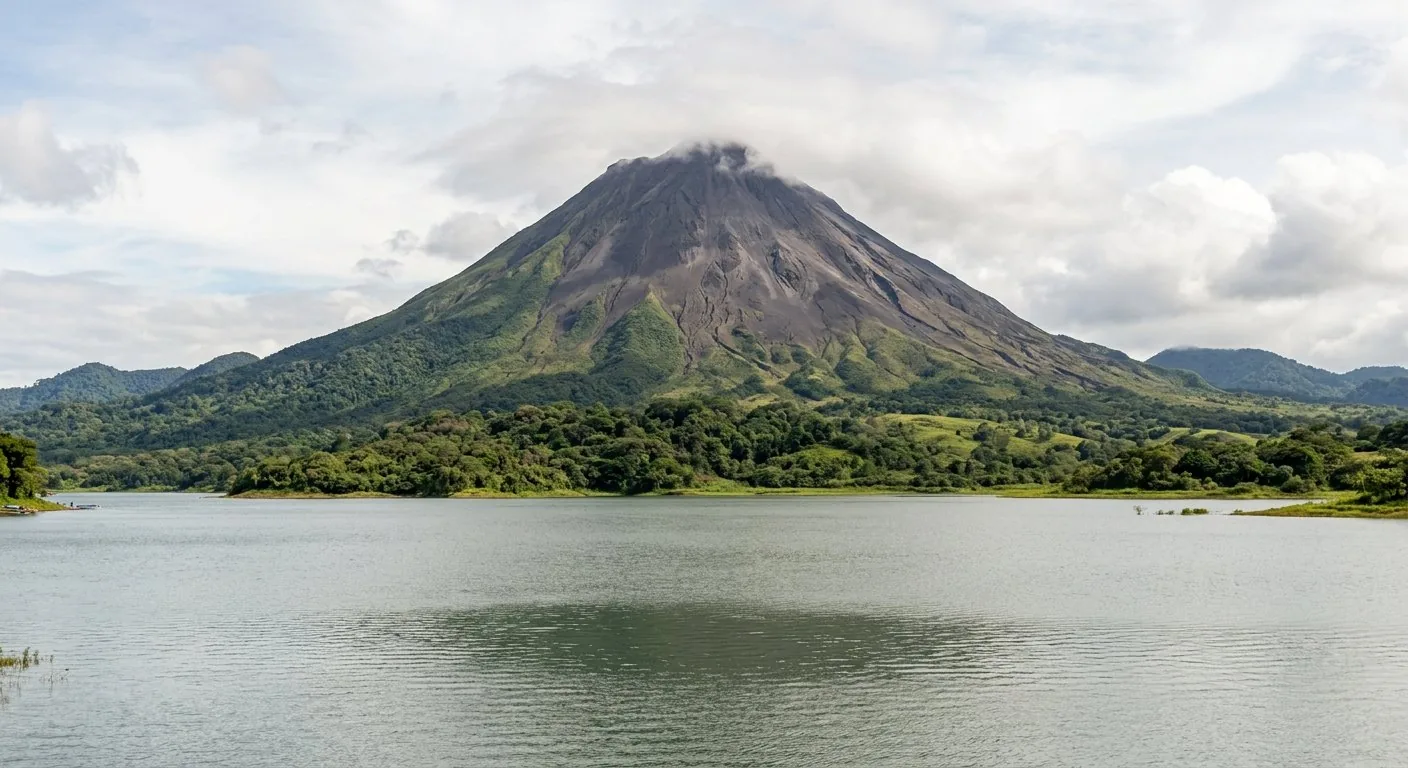
08:00–09:00: Arrival and the cone view
Tours leave La Fortuna early. The cone is visible only on clear mornings — catch it now or not at all. The park gate costs $17 per adult (card only, no cash). Children under 12 are $5. After entry, the trail climbs gently across the 1968 lava field: jagged cooled rock, pioneer plants breaking through, and the cone rising dead-centre. This is not a hike to lava; Arenal entered a resting phase in December 2010. What you walk is the frozen eruption of 1968.
09:00–11:00 (or 12:00): The lava field
The 1968 trail is the backbone of every Arenal tour. A self-guided walk takes 2–3 hours. The terrain is volcanic scree — wear sturdy shoes and watch footing on loose rock. Wildlife is excellent: howler monkeys, coatis, toucans, and iguanas are common. The cone dominates the view until cloud cover rolls in (usually by late morning). Read the full lava field guide and what to expect wildlife-wise.
11:00–14:00: Midday split
Most full-day tours include a second activity. The choices:
- Hanging bridges — a canopy walk above the rainforest ($39 entry). Good rainforest canopy, but you are inside the forest and below the cone, so it delivers no volcano view; the tour guide explains the geometry.
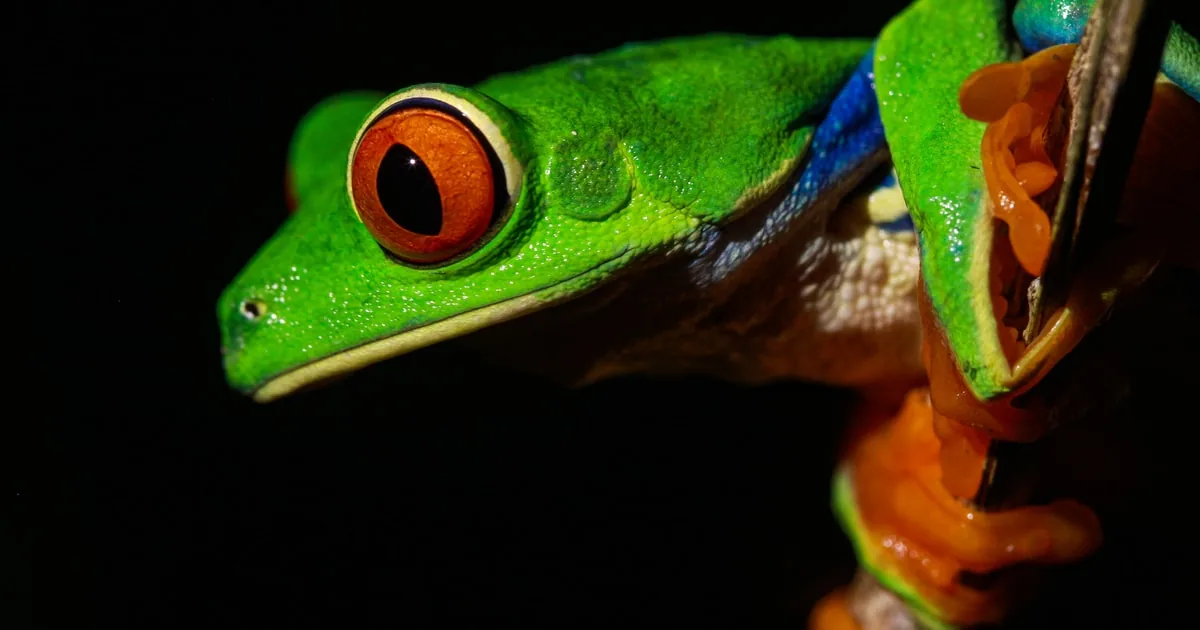
- Wildlife safari — a guided twilight outing (late afternoon, $85). Sloths, frogs, insects. Late timing means cone views are gone, but night creatures emerge.
- Canyoning — rappel and swim in waterfall pools ($89). Highest-rated activity (4.9 stars, 327 reviews). No volcano views but elite adrenaline.
- Rest and explore — the self-guided park option ($17 total). Linger on the lava field, visit the visitor centre, sit with the cone.
14:00–16:00: Late afternoon and the window close
Park gates close at 16:00. By this hour, cloud hides the cone entirely on most days. Many tours wrap up or move to evening activities. This is the "golden hour" for wildlife: monkeys descend to lower branches, birds become vocal, insects dominate. If you chose a late safari, it often runs 16:00–19:00 (after park close, elsewhere in the volcano zone).
17:00–19:00: Evening options
After the park closes:
- Night walk — a guided outing to spot nocturnal creatures (4.8 rating, $60). Frogs, insects, maybe a sloth. No cone visibility but a different Arenal.
- Hot springs — Tabacón or Baldí thermal pools (not a volcano feature, but part of the geothermal zone). Most included in the waterfall-and-springs package ($105). Read the eruption timeline for the geology link.
- Return to La Fortuna — dinner and rest. Tours end 18:00–20:00 depending on itinerary.
Cost breakdown
A full Arenal day trip from La Fortuna typically costs:
- Park entry: $17
- Guided tour (lava field + activity): $60–$176
- Food/drinks (lunch often not included): $15–$30
- Transport (hotel pickup varies): included or $5–$15
- Typical total: $90–$230 per person
Best time for cone visibility
Cone visibility varies wildly by season. Early morning in the dry season (December–April) gives the best odds. See cone visibility by month.
Book your Arenal day
Eight tours to choose from. The most popular is the waterfall-and-hot-springs package; the best value is the park entry alone.
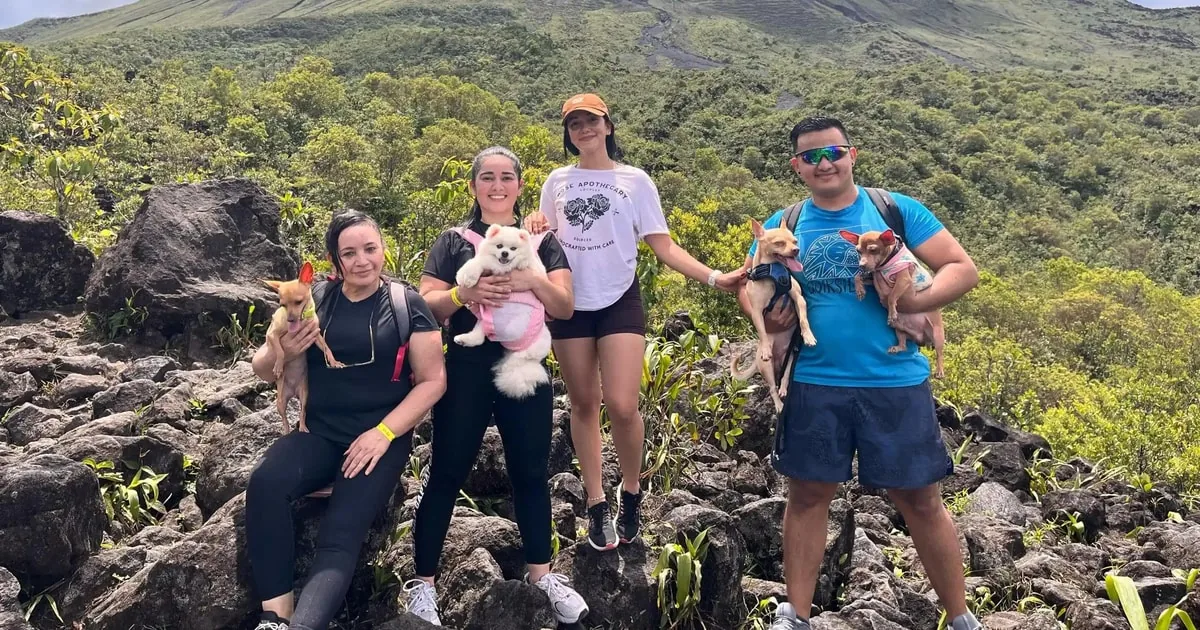 Park entry
La Fortuna: Arenal Volcano Ecological Park Entry Ticket
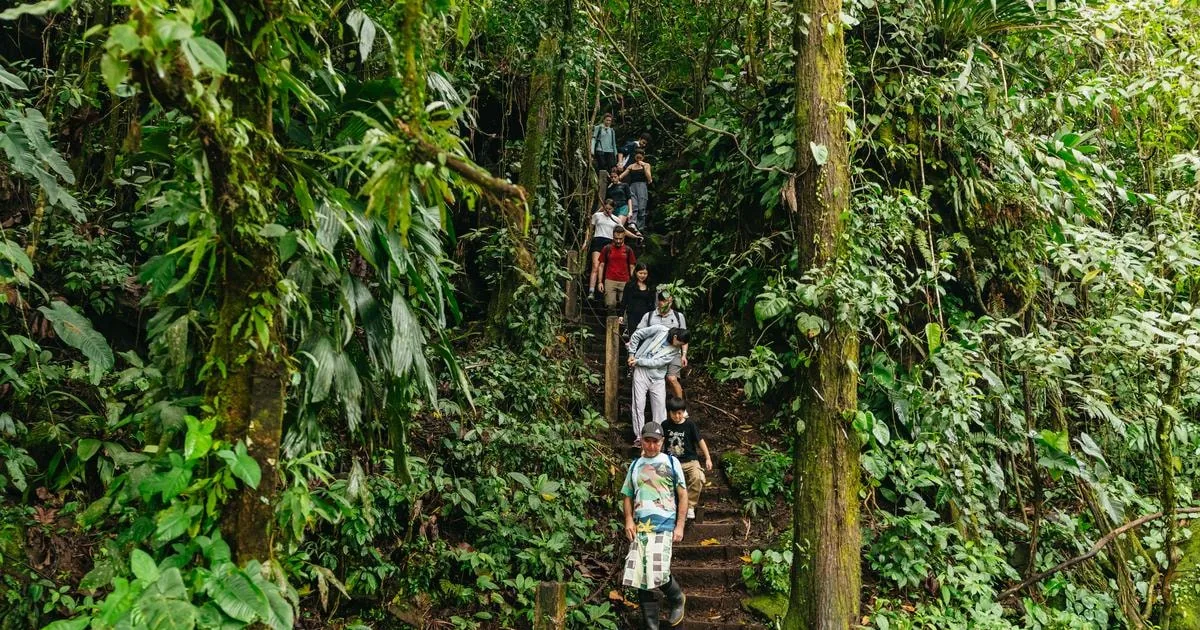 Most booked
La Fortuna: Waterfall, Arenal Volcano and Hot Springs Tour
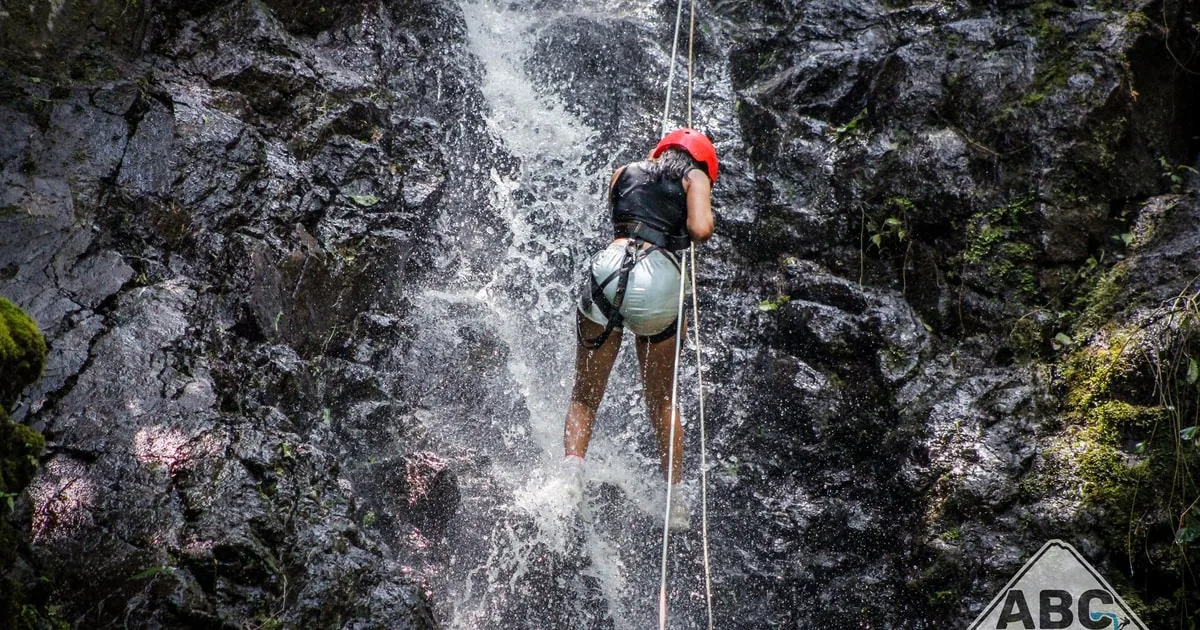 Highest rated
From La Fortuna: Canyoning & Rappelling Waterfalls in Arenal
 After dark
La Fortuna Night Walk at Arenal Volcano | Wildlife Tour
Frequently asked questions
How long is an Arenal day trip?
Most full-day tours run 6–8 hours door-to-door from La Fortuna, including pickup and return. The park itself is open 08:00–16:00.
How much does an Arenal day trip cost?
Total typically $90–$230 per person: $17 park entry plus $60–$176 for a tour with guide and activity, plus meals and transport. See the breakdown above.
What should I wear?
Sturdy hiking shoes (lava rock is sharp), moisture-wicking clothes, sunscreen, and a light rain jacket. See the full packing guide.
Is Arenal safe?
Yes. The volcano is calm (alert level 1), trails are well-marked, and guides are trained. See the safety guide.